YoTeas Subsription, It's Finally Here...
Select a page for this section using the sidebar.
Why YoTeas? It's simple... NO Artificial Colors, NO Added Sugars, NO Artificial Flavor


White tea is a delicate and unique type of tea made from the Camellia sinensis plant, the same plant that produces black, green, and oolong teas. However, white tea differs from other teas in its processing and characteristics:
Processing:
Minimal processing: White tea leaves are minimally processed, often only withered and dried in the sun or with gentle heat. This minimal processing preserves the natural antioxidants and delicate flavors of the young leaves.
No oxidation: Unlike black and oolong teas, white tea leaves are not allowed to oxidize significantly. This preserves their light color, delicate flavor, and high concentration of antioxidants.
Characteristics:
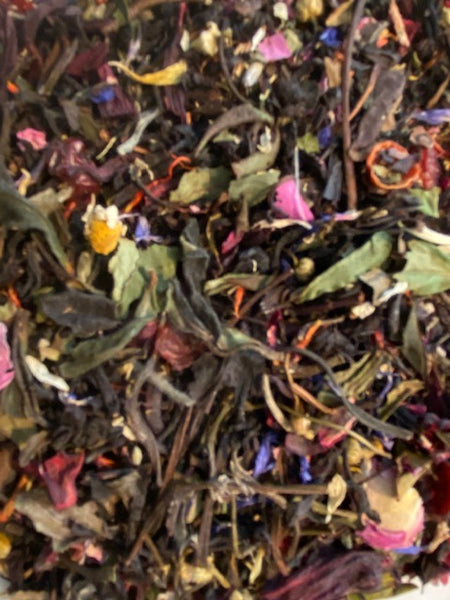
Appearance: White tea leaves are typically small and fuzzy, with a silvery-white appearance due to the presence of fine hairs.
Flavor: White tea has a subtle and delicate flavor, often described as floral, sweet, and slightly grassy. It has less bitterness or astringency compared to other teas.
Caffeine: White tea typically contains less caffeine than other teas, making it a good option for those sensitive to caffeine or looking for a relaxing beverage.
Health benefits: White tea is believed to be rich in antioxidants and other beneficial compounds linked to various health benefits, such as improved heart health, reduced inflammation, and cancer prevention.
Heart-Healthy Helper: Some studies suggest that white tea may play a role in promoting heart health. By potentially lowering bad cholesterol and blood pressure, it could contribute to a healthier cardiovascular system.
Inflammation Fighter: Chronic inflammation is linked to various health problems. White tea's anti-inflammatory properties may help reduce inflammation in the body, offering potential benefits for conditions like arthritis and certain cancers.
Brain Booster: Early research suggests that white tea may have neuroprotective effects, potentially improving cognitive function and memory. Its caffeine content, though lower than other teas, can also provide a gentle alertness boost.
Oral Health Ally: White tea's antibacterial properties may help fight off harmful bacteria in the mouth, potentially contributing to better oral health and fresh breath.
Relaxation Ritual: The light caffeine content and calming properties of white tea make it a great choice for winding down after a long day. Enjoying a warm cup before bed can promote relaxation and prepare you for a restful sleep.
Popular white tea varieties:
Silver Needle: Made from the unopened buds of the tea plant, offering a delicate and sweet flavor.
White Peony: Made from both buds and young leaves, offering a slightly stronger flavor than Silver Needle.
Bai Mu Dan: Made from young leaves and buds, offering a fuller and more robust flavor compared to other white teas.
Overall, white tea offers a unique and flavorful experience for tea enthusiasts. Its minimal processing, delicate taste, and potential health benefits make it a popular choice for those seeking a healthy and refreshing beverage.
To Learn More About YoTeas Loose Leaf Teas, You Can Visit us At www.YoTeas.com
Our products are inspired by the people and world around us. Beautiful, high quality teas sourced from around the world, and blended especially for you. Discover our story and meet the people that's part of making our brand uniquely special.
Select a page for this section using the sidebar.

The Wisdom of Tea: Discovering Your Inner Self, One Sip at a Time
Sip Slow. Live Well.
In a world that constantly asks us to move faster, tea invites us to pause.
There is something beautifully simple about preparing a cup of tea. You choose your blend. You warm the water. You watch the leaves unfold. You breathe in the aroma. And finally, you take that first intentional sip.
For centuries, tea has been more than a beverage. Across cultures, tea has been part of gatherings, ceremonies, conversations, reflection, hospitality, and moments of stillness.
At YoTeas, we believe there is wisdom in that ritual.
Tea gives us permission to slow down long enough to listen—to our thoughts, our bodies, our emotions, and the quiet voice within us that can easily get lost in the busyness of everyday life.
Tea Is an Invitation to Pause
How often do you move through your day without truly stopping?
You wake up. You get ready. You work. You care for others. You answer messages. You handle responsibilities. You check the next thing off your list.
Then suddenly, the day is over.
A tea ritual creates a small but meaningful interruption.
It says:
Pause. Breathe. Be here.
Your tea doesn’t have to take an hour. It might be ten quiet minutes in the morning, an afternoon reset, or a calming cup before bed.
What matters is the intention behind it.
When you begin treating your cup of tea as a ritual rather than simply another beverage, an ordinary moment can become an opportunity for mindfulness and self-connection.
The Wisdom Is in the Ritual
The magic isn’t necessarily in the cup itself.
It’s in what the cup encourages you to do.
Slow down.
Become present.
Notice.
Listen.
Reflect.
A tea ritual can become a personal practice for checking in with yourself.
As you prepare your tea, ask:
How am I feeling today?
What do I need more of?
What do I need to release?
Where am I giving my energy?
What is my inner voice trying to tell me?
What would taking better care of myself look like today?
Sometimes the answers arrive immediately.
Sometimes they don’t.
And that’s okay.
The ritual isn’t about forcing an answer. It’s about creating enough space for you to hear yourself.
Discover Your Inner Self Through Your Tea Ritual
At YoTeas, we encourage you to make your tea experience personal.
Your ritual can reflect who you are, what you need, and where you are in your journey.
🌿 Create a Morning Intention Ritual
Begin your day before the outside world gets your attention.
Choose a tea that feels right for your morning, prepare your cup slowly, and sit somewhere peaceful.
Before taking your first sip, choose an intention for the day.
Maybe it’s:
Peace.
Courage.
Clarity.
Joy.
Patience.
Purpose.

Take a few breaths and allow your intention to settle in.
Then begin your day.
🍃 Create a Midday Reset
The middle of the day can be when our energy and attention begin to scatter.
Instead of pushing through, make yourself a cup of tea.
Step away from your phone and your to-do list.
Take a few minutes to breathe and reconnect.
Ask yourself:
“What do I need right now?”
Perhaps you need rest.
Perhaps you need nourishment.
Perhaps you need to finish something you’ve been avoiding.
Perhaps you simply need five quiet minutes.
Listen...
🌙 Create an Evening Reflection Ritual
Evening tea can become a beautiful transition between doing and simply being.
Dim the lights.
Light a candle.
Put your phone away.
Prepare your favorite YoTeas herbal blend and let the day begin to soften.
As you sip, reflect:
What went well today?
What challenged me?
What am I grateful for?
What can I let go of before tomorrow?
You don’t have to solve everything tonight.
Some things can wait until morning.
Your Tea Can Become a Moment of Self-Care
Self-care doesn’t always have to be elaborate.
Sometimes self-care looks like making yourself a beautiful cup of tea.
It can be choosing to sit down instead of rushing.
It can be saying no.
It can be taking a deep breath.
It can be creating a moment where you aren’t responsible for anyone or anything else.
Your tea ritual becomes a reminder that you deserve your own attention, too.
Discover Your Blend. Discover Your Ritual.
YoTeas creates all-natural, organic loose-leaf tea blends designed to make your everyday tea experience more intentional and enjoyable.
From invigorating blends that can complement your morning routine to soothing herbal blends that can become part of your evening wind-down, each cup offers an opportunity to create a moment that belongs to you.
You might create a ritual around:
🌿 Morning energy and intention
🌺 Afternoon renewal
🍊 Mindful breaks
🌱 Wellness-focused routines
🌙 Evening relaxation
📖 Journaling and reflection
🕯️ Meditation and quiet time
The possibilities are yours.
There is no “perfect” tea ritual.
Your ritual should feel like you.
The Art of Listening Within
Perhaps the greatest wisdom tea offers isn’t about the tea at all.
It’s about learning to listen.
When we constantly fill every quiet moment with noise, we can lose touch with ourselves.
But when we intentionally create moments of stillness, we allow ourselves to reconnect with the person underneath the schedules, responsibilities, expectations, and demands.
Your tea ritual can become a doorway into that space.
A place where you can ask yourself:
Who am I becoming?
What matters to me now?
What do I want more of in my life?
What am I ready to release?
What does living well mean to me?
These questions don’t need immediate answers.
Sometimes the journey of self-discovery begins simply by becoming willing to sit quietly with yourself.
And perhaps that’s one of tea’s greatest gifts.
Your YoTeas Ritual Begins With One Cup
Tonight—or tomorrow morning—try something different.
Choose your favorite YoTeas blend.
Prepare it slowly.
Notice the aroma.
Watch the leaves steep.
Take a breath.
Put away the distractions.
Hold your cup.
And take your first sip intentionally.
Don’t rush.
Be present with yourself.
Let your cup become more than tea.
Let it become a moment of connection.
A moment of reflection.
A moment of gratitude.
A moment to simply be...
Because wellness isn’t always about doing more.
Sometimes, it’s about creating space to hear what your inner self has been saying all along.
YoTeas: Cultivating Conscious Healthy Living.
One Brew, One Sip, One Herb At A Time.
Sip Slow. Live Well.
Your journey inward can begin with something as simple as a cup of tea.
Discover your blend. Create your ritual. Discover yourself.

Add a comment